This work is licensed under a Creative Common CC BY 4.0 License.
About the Journal
Future Digital Technologies and Artificial Intelligence (FDTAI) [Online ISSN: 3070-0965] is a peer-reviewed, open-access journal dedicated to advancing research across a broad spectrum of computing, data science, artificial intelligence (AI), and engineering disciplines. The journal serves as a platform for pioneering studies and interdisciplinary approaches that address the evolving challenges and opportunities in digital innovation and intelligent systems.
FDTAI focuses on cutting-edge topics such as Artificial Intelligence & Machine Learning, Data Science & Big Data Analytics, Computer Science & Engineering, Cybersecurity & Privacy, Digital Technologies & Intelligent Systems, Computational Science & Engineering, and Blockchain & Decentralized Systems.
The peer-reviewed and open-access FDTAI Journal is steered by a distinguished editorial board and supported by an international reviewer team, including outstanding professors and researchers from prominent institutes and universities worldwide.
Articles are published in English only.
All manuscripts sent for publication are checked to compare their similarity with other works already published. For this purpose, we use Turnitin.
Articles are distributed according to the terms of the Creative Common CC BY 4.0 License.
The peer-reviewed and open-access FDTAI Journal is steered by a distinguished editorial board and supported by an international reviewer team, including outstanding professors and researchers from prominent institutes and universities worldwide.
Articles are published in English only.
All manuscripts sent for publication are checked to compare their similarity with other works already published. For this purpose, we use Turnitin.
Articles are distributed according to the terms of the Creative Common CC BY 4.0 License.
Current Issue
Vol. 2 No. 1 (2026): May 2026 Issue
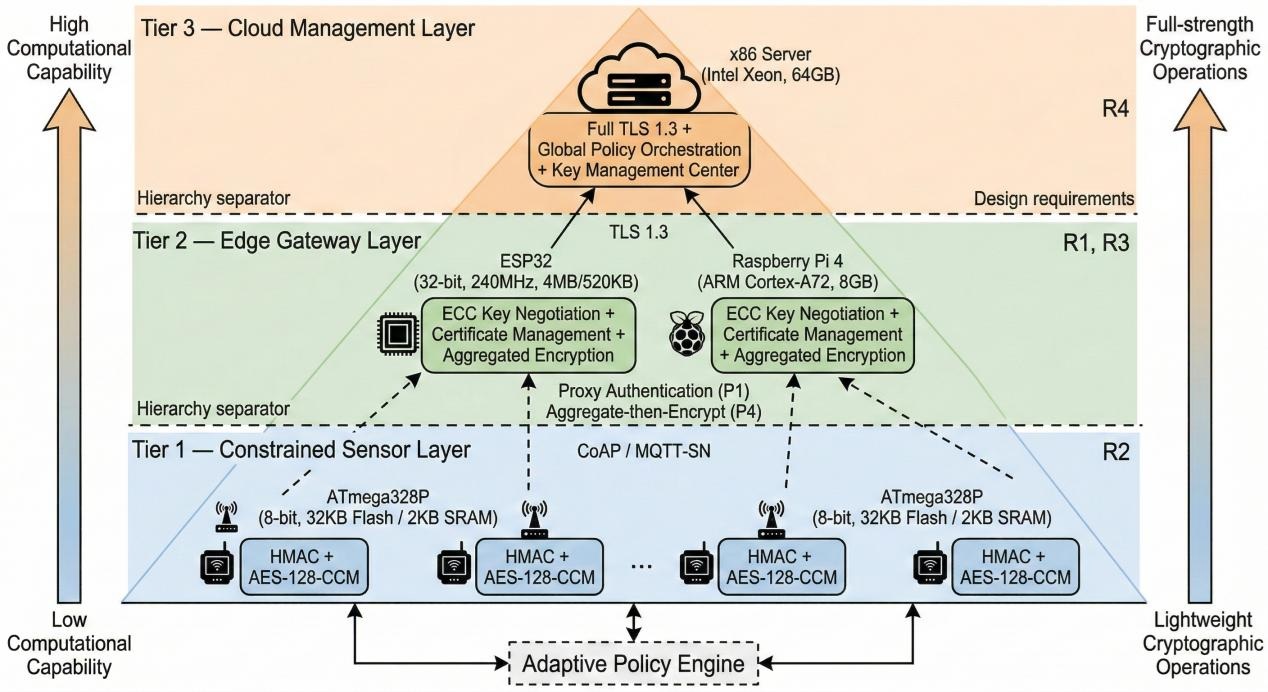
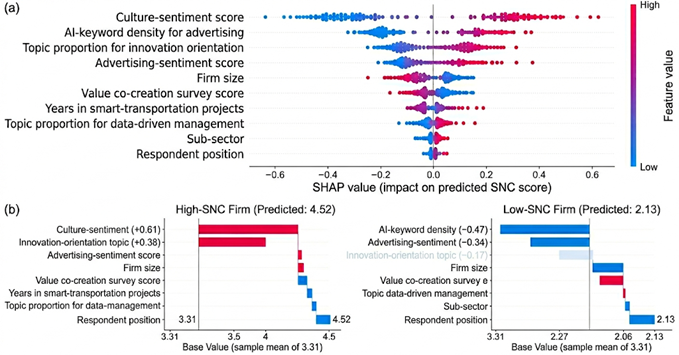
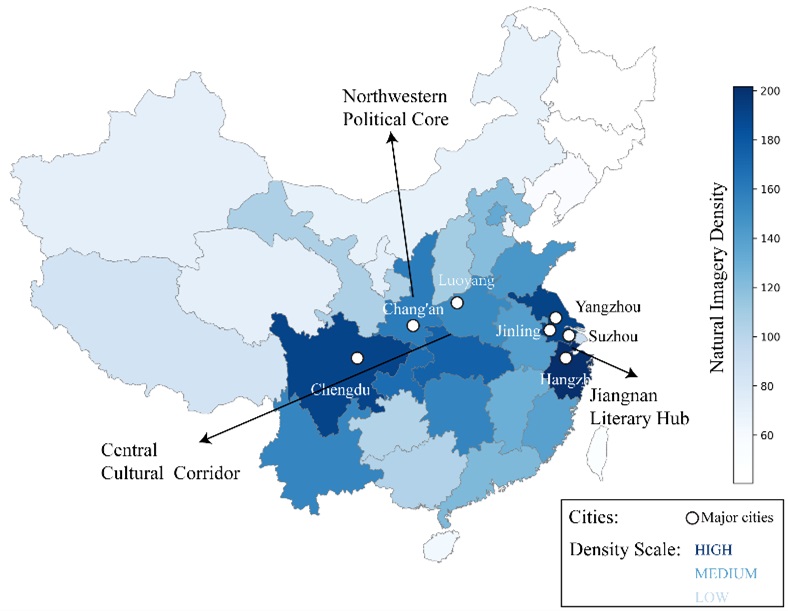
The May 2026 issue (Vol. 02, Issue 01) of Future Digital Technologies and Artificial Intelligence brings together interdisciplinary research showcasing the expanding impact of AI across technology, infrastructure, and the humanities. It features studies on AI-driven analysis of Tang poetry, resilient and secure IoT systems for intelligent transportation, and the role of AI in fostering value co-creation and innovation in smart infrastructure projects. Overall, the issue highlights how artificial intelligence is shaping both advanced digital systems and broader socio-cultural applications.
Published:
2026-05-15